Changing your idea of what quality control looks like.
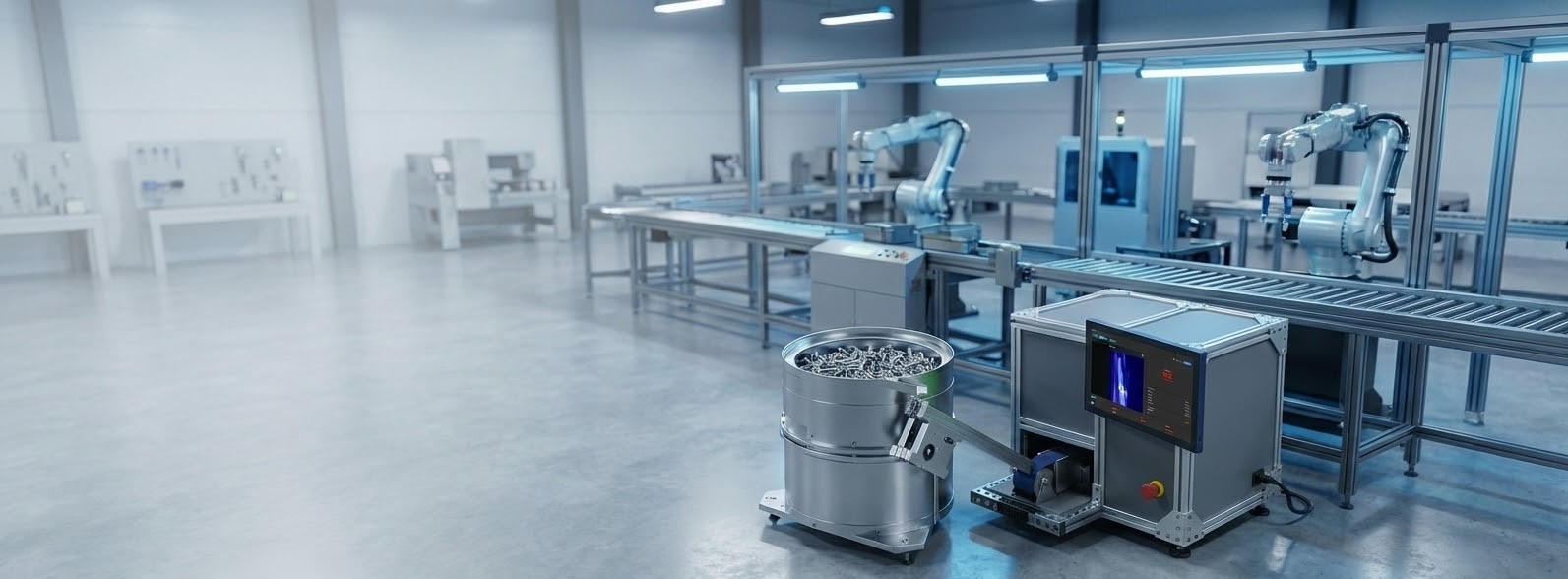
100% Inline Inspection — Powered by AI. Automated 2D and 3D inspection that detects defects, deviations and mix-ups directly at production speed. One reference part is all it takes.
The Problem
Quality requirements are rising. The workforce to meet them is not.
Manufacturers face a growing gap: stricter quality requirements from major OEMs combined with fewer specialists who can operate complex vision systems. Production needs inspection that runs reliably, delivers traceable results and scales with throughput.
Zero-defect mandates
OEMs increasingly require full traceability and near-zero defect rates. Sampling inspection is often no longer sufficient.
Skilled labor shortage
Qualified vision system operators and inspection specialists are increasingly difficult to find.
Throughput pressure
Production lines accelerate every year. Inspection must keep pace without creating bottlenecks or increasing headcount.
Cost of failure
A single escaped defect in safety-critical assemblies can create liability and recall costs far exceeding inspection investments.
How It Works
From one reference part to automated inspection in three steps.
Waywiser removes the complexity of deploying industrial inspection. No training datasets, no specialist personnel, no lengthy commissioning.
Place one good reference part
The system learns what a correct part looks like from a single OK reference. No dataset, defect library or manual programming required.
Automatic teach-in and calibration
Calibration, training, and configuration happen automatically. No vision-system specialist required. The system is ready for production.
Inspect every part at production speed
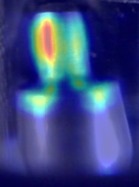
Every part gets an OK/NOK decision with a visual heatmap. Results are logged, parts are sorted and data is exported automatically.
Platform
From reference part to inspection decision.
Waywiser integrates sensors, AI inspection, sorting and data systems into one production-ready platform. Configured for your line, not assembled from disconnected tools.
Capture
Capture every detail
Industrial 2D cameras and 3D sensors capture high-resolution images of every part. Optimized lighting ensures defect visibility across surfaces and geometries.
Decide
AI inspection decision
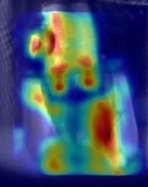
The AI compares each part with the learned reference and generates an OK/NOK decision with a visual heatmap. No operator judgement required for inspection decisions.
Act
Sort and respond automatically
Inspection results trigger automatic sorting. OK parts continue downstream while NOK parts are removed from the flow. Fully integrated with your line control and conveyor systems.
Prove
Traceable inspection data
Images, heatmaps and inspection results are logged and exported for full traceability. Inspection data can be exported as CSV or integrated into databases, MES and ERP systems.
Products
Modular precision for high-throughput manufacturing.
From compact stand-alone cells to fully automated high-end lines. Every system runs on the same Waywiser platform and adapts to your part type, throughput and quality requirements.
2D Inspection Systems
Detect surface defects reliably at production speed. Deploy as a compact stand-alone cell or integrate directly into automated lines — with fast commissioning and no specialist setup.
3D Inspection Systems
Measure geometries, tolerances and thread profiles before downstream assembly. Sensor configuration and measurement scope adapt to your quality requirements.
Inspection Software
One unified software platform across all system configurations. Manage inspection logic, recipes and full traceability with direct export to MES and ERP systems.
Industries
Excellence in quality control across specialized industries.
Deployed in production environments where quality is mandatory, skilled operators are scarce and every inspection result must be documented.
Fastener Industry
High-volume 100% inspection without specialist setup. Compact cells or fully automated lines — configured for your part family and throughput.
Machining Industry
Surface and dimensional inspection of machined parts before downstream assembly. Detect deviations early and prevent defective parts from entering production.
Automotive
Traceable inspection for zero-defect automotive supply chains. Every inspected part is documented and exportable to your quality system.
Aerospace
Documented inspection for tolerance-critical components in compliance-heavy environments. Complete audit trail for every inspection decision.
Why Waywiser
Designed to remove deployment complexity.
Industrial inspection should not require months of setup, large training datasets or specialist operators. Waywiser systems are designed so manufacturers can deploy inspection with minimal effort and maximum reliability.
One-part setup
Place one good reference part. Calibration, training and configuration happen automatically. No specialist personnel required.
Production-ready integration
Connects to MES, ERP, and line control systems. Supports conveyor control, sorting, and automated data export.
Scalable architecture
Deploy a single compact cell or scale to multi-line installations. Same software platform, same deployment approach.
Built for 24/7 operation
Industrial-grade hardware and software designed for continuous production environments.
Full traceability
Every part's image, heatmap, measurements and decision are stored with a timestamp. This provides a complete audit trail for quality documentation and compliance.
Real-World Deployment
Proven performance in high-volume operations.
Representative examples of how Waywiser inspection systems are deployed across different parts, production speeds and inspection requirements.
High-volume sorting with zero setup complexity
- One-reference-part teach-in
- Automatic OK/NOK sorting
- Full traceability per part
Surface and geometry inspection before assembly
- Combined 2D and 3D inspection
- Deviation detection on CNC-machined parts
- Integrated into existing line flow
Documented quality for regulated environments
- Inspection outputs with full audit trail
- Export to MES, ERP, and quality systems
- Compliance-ready documentation



FAQ
Common questions.
Quick answers about our inspection systems and AI software.
Only good reference parts. The AI learns what a good part looks like from OK parts alone. No defect samples or manual annotation are required to start.
The system inspects at production speed. Cycle times depend on part type, sensor configuration, and inspection scope — designed so that inspection never becomes the bottleneck.
Yes. Compact systems can be deployed stand-alone with minimal infrastructure. High-end systems are designed for direct integration into production lines. The software connects to MES/ERP systems and supports conveyor and sorting control.
Yes. Because the AI learns the normal appearance of a part rather than specific defect types, it flags any significant deviation from normal — including defect types that were never shown during training.
Yes. The integrated 3D sensor captures real geometry data. Which dimensions are measured — such as head height, shank diameter, thread depth, or overall length — depends on the customer's inspection requirements and sensor configuration.
See how Waywiser fits into your production.
Tell us about your part, throughput and quality requirements. We will show you exactly how a Waywiser inspection system fits your production.
Contact Sales